
Why Your Mind and Body Are Not Separate
The connection between mental health and physical health is stronger than many people realize. Feeling stressed, anxious, or emotionally drained doesn’t just affect your thoughts—it can influence your sleep, digestion, immune system, and even heart health.
Likewise, chronic physical conditions can take a toll on emotional well-being, leading to frustration, sadness, or isolation. The idea that mental health and physical health are separate is outdated. Modern science shows they constantly communicate and affect one another.
Understanding this relationship helps people make better health decisions, recognize early warning signs, and take a more balanced approach to overall wellness.
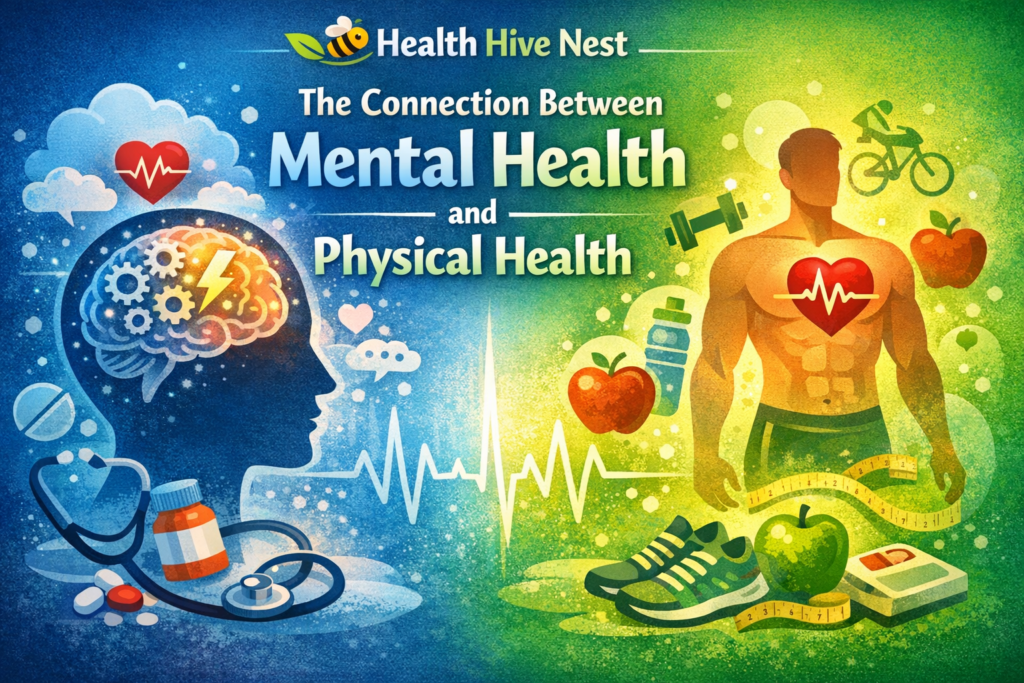
Understanding the Mind–Body Connection
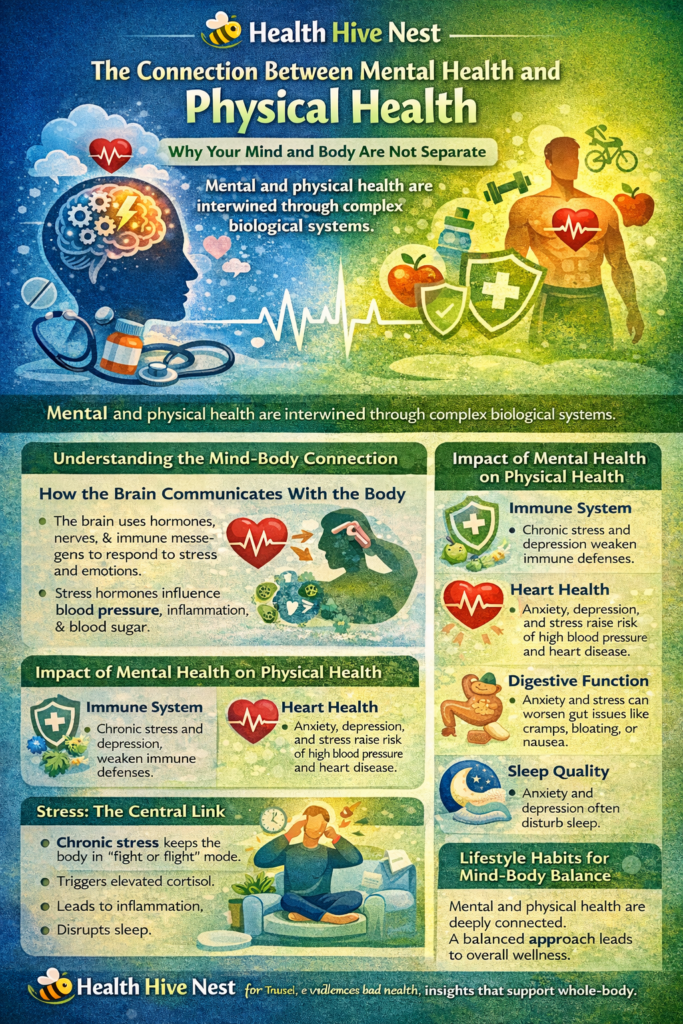
Mental and physical health are deeply intertwined through complex biological systems.
How the Brain Communicates With the Body
The brain sends signals throughout the body using hormones, nerves, and immune messengers. When mental health is affected, these signals can change how the body functions.
Stress hormones like cortisol, for example, influence blood pressure, inflammation, and blood sugar levels.
The National Institute of Mental Health (NIMH) explains that mental health conditions can alter physical processes in the body.
https://www.nimh.nih.gov
Emotional States and Physical Responses
Emotions trigger physical reactions. Anxiety may cause a racing heart, while sadness may lead to fatigue or body aches.
These responses are not imagined—they are measurable biological changes supported by research.
How Mental Health Affects Physical Health
Poor mental health can increase the risk of physical illness over time.
Impact on the Immune System
Chronic stress and depression can weaken immune defenses, making the body more vulnerable to infections.
According to the CDC, long-term stress is linked to immune suppression.
https://www.cdc.gov
Effects on Heart and Blood Vessels
Mental health conditions are associated with increased risk of high blood pressure and heart disease.
Stress can cause blood vessels to constrict, raising blood pressure and heart strain.
The American Heart Association recognizes mental health as a key factor in cardiovascular health.
https://www.heart.org
Digestive Health and Gut Function
The gut and brain are connected through the gut-brain axis. Anxiety and stress can worsen digestive symptoms like bloating, cramps, or nausea.
The Mayo Clinic confirms stress can directly affect digestive function.
https://www.mayoclinic.org
Sleep Disruption
Anxiety and depression often interfere with sleep quality, which then affects energy, metabolism, and immune function.
Poor sleep can worsen both mental and physical symptoms, creating a cycle that’s hard to break.
How Physical Health Affects Mental Health
The relationship works both ways—physical health challenges can influence emotional well-being.
Chronic Illness and Emotional Strain
Living with long-term conditions like diabetes, arthritis, or heart disease can increase the risk of depression and anxiety.
The WHO reports higher rates of mental health challenges among people with chronic physical conditions.
https://www.who.int
Pain and Mood
Chronic pain alters brain chemistry and can lead to irritability, low mood, or hopelessness.
Pain is not just physical—it affects emotional resilience and coping ability.
Physical Inactivity
Limited mobility or fatigue can reduce activity levels, which affects mood-regulating chemicals like serotonin and dopamine.
Regular movement is strongly associated with improved mental health outcomes.
Stress: The Central Link Between Mental and Physical Health
Stress is one of the most powerful connections between mental and physical health.
What Happens During Chronic Stress
When stress becomes constant, the body stays in “fight or flight” mode.
This can lead to:
- Elevated cortisol levels
- Increased inflammation
- Disrupted sleep
- Weakened immunity
Over time, these changes raise the risk of physical illness.
Real-Life Example
Someone under ongoing work pressure may start experiencing headaches, stomach discomfort, and frequent colds—physical signs rooted in prolonged stress.
The Role of Lifestyle Habits
Daily habits influence both mental and physical health simultaneously.
Nutrition and Mental Well-Being
Balanced nutrition supports brain function and emotional regulation.
The NHS emphasizes healthy eating as part of mental health support.
https://www.nhs.uk
Physical Activity
Exercise reduces stress hormones and boosts mood-enhancing chemicals.
The APA supports exercise as an effective strategy for improving mental health.
https://www.apa.org
Sleep Hygiene
Consistent, quality sleep is essential for emotional balance, immune health, and energy levels.
Preventive Care: Supporting Mind and Body Together
Prevention works best when mental and physical health are addressed together.
Regular Health Checkups
Routine medical visits help identify physical issues that may affect mental well-being.
Stress Management Practices
Effective strategies include:
- Mindful breathing
- Gentle physical activity
- Time management
- Setting boundaries
These habits protect both emotional and physical health.
Social Connection
Strong relationships reduce stress and support emotional resilience.
Social isolation has been linked to increased risk of physical illness and depression.
When to See a Doctor or Mental Health Professional
Professional support is important if symptoms persist or worsen.
Seek help if:
- Emotional distress affects daily functioning
- Physical symptoms have no clear cause
- Sleep, appetite, or energy levels change significantly
- Stress feels unmanageable
Early intervention leads to better long-term outcomes.
Frequently Asked Questions (FAQs)
1. Is mental health really connected to physical health?
Yes. Research consistently shows they influence each other.
2. Can stress cause physical illness?
Chronic stress can increase the risk of heart disease, digestive issues, and weakened immunity.
3. Can physical illness lead to depression?
Yes. Long-term health conditions often affect emotional well-being.
4. Does exercise improve mental health?
Yes. Physical activity improves mood, sleep, and stress regulation.
5. Can poor sleep affect mental and physical health?
Absolutely. Sleep is essential for emotional balance and bodily repair.
6. Is mental health part of preventive care?
Yes. Preventing mental health issues reduces physical health risks.
7. Are digestive problems linked to mental health?
Yes. The gut and brain communicate closely.
8. Can therapy help physical symptoms?
In many cases, therapy reduces stress-related physical symptoms.
9. Does social support affect physical health?
Yes. Strong relationships improve immune and heart health.
10. When should someone seek professional help?
When symptoms interfere with daily life or persist over time.
Conclusion: Treating Health as a Whole
The connection between mental health and physical health reminds us that wellness is not divided into parts. Supporting emotional well-being strengthens the body, and caring for the body protects the mind.
True health comes from balance, awareness, and early care—not from ignoring one side of the equation.
If this article helped you understand the mind–body connection, share it with someone who could benefit, and subscribe to Health Hive Nest for trusted, evidence-based health insights that support whole-body wellness.