
Choosing best baby products (baby essentials checklist) can feel overwhelming, especially when every item claims to be “the best.” To help parents make confident decisions, this guide breaks down essential baby products one by one, explaining why each item matters, how to use it correctly, and when it becomes most useful.
This list focuses on practical, well-tested, and widely trusted baby products that support your baby’s health, safety, and comfort.
Disclosure: Health Hive Nest participates in the Amazon Services LLC Associates Program. We may earn a small commission from qualifying purchases at no extra cost to you.
1. Disposable Diapers (baby essentials checklist)
Why it’s needed:
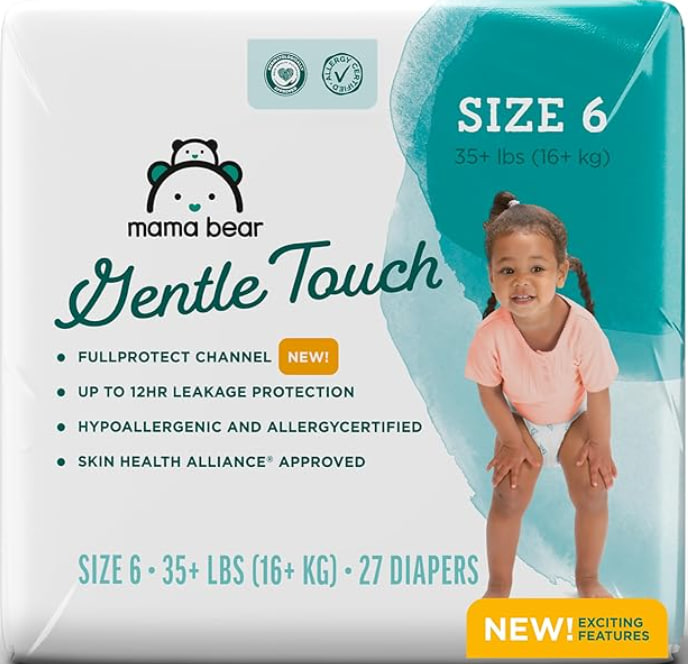
disposable diapers are single-use diapers designed to keep babies dry and comfortable by absorbing urine and stool. After use, they are thrown away, not washed or reused. Newborns require frequent diaper changes—often up to 10 times daily. A high-quality disposable diaper keeps your baby dry, prevents leaks, and protects sensitive skin.
They are popular for babies because they:
- Absorb moisture quickly
- Help prevent leaks
- Are easy and convenient for parents
- Come in sizes made for newborns to toddlers
How to Use a Disposable Diaper for a Baby:
To use a disposable diaper, lay your baby on a clean, safe surface and remove the dirty diaper. Gently clean the baby’s skin from front to back and allow it to dry before placing a fresh diaper under the baby, with the back slightly higher than the front. Pull the front up between the legs, fasten the tabs snugly (not too tight), and make sure the leg cuffs are properly adjusted to prevent leaks. Dispose of the used diaper properly and wash your hands afterward.
2. Cloth Diapers
Why it’s needed:
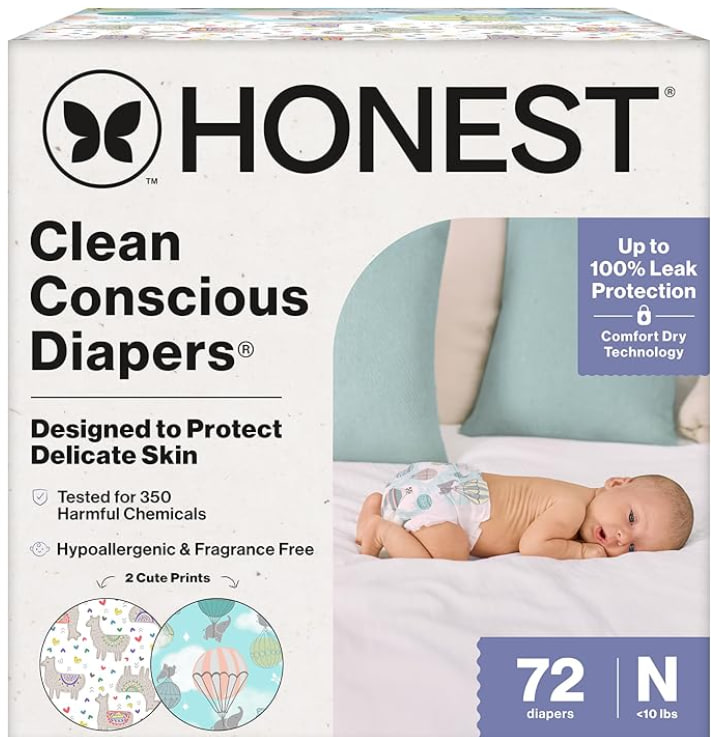
Cloth diapers are reusable diapers made from washable fabric, designed to absorb a baby’s urine and stool and be washed and used again instead of being thrown away.
They are commonly made from materials like cotton, bamboo, or microfiber and are secured with snaps, Velcro, or pins. Cloth diapers are often chosen because they are cost-effective over time and more environmentally friendly than disposable diapers.

How to use it:
Place your baby on a clean, safe surface and remove the dirty diaper. Clean the baby’s skin gently and allow it to dry. Put the clean cloth diaper under the baby, making sure it covers the bottom properly. Fold or adjust it to fit snugly around the waist and legs, then secure it with snaps, Velcro, or pins—not too tight. After use, remove the diaper and place it in a diaper pail or wet bag for washing.
3. Disposable Baby Wipes
Why it’s needed:
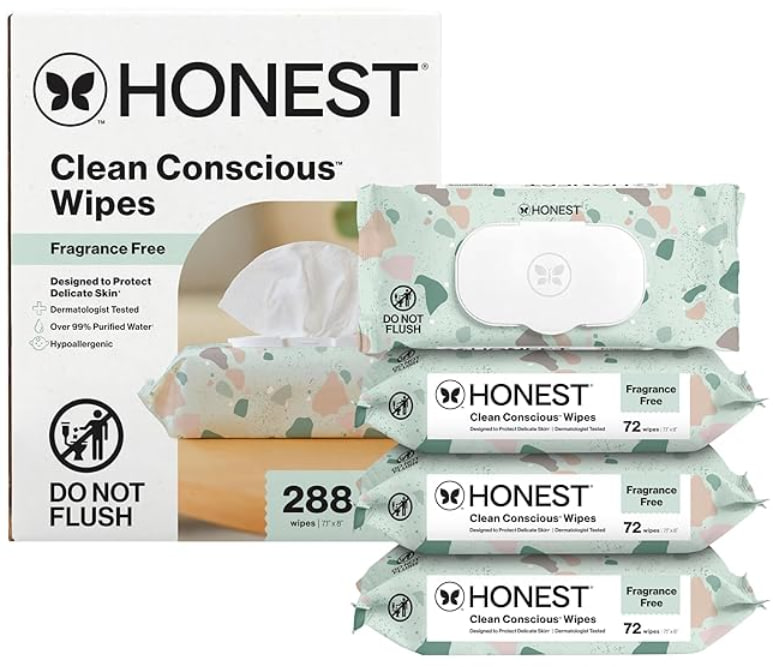
Disposable baby wipes are single-use, pre-moistened cloths used to gently clean a baby’s skin, especially during diaper changes. They help remove urine, stool, and dirt and are thrown away after use. Many wipes are made to be soft and safe for daily use on babies.
How to use it:
Open the wipes pack and pull out one wipe. Gently clean the baby’s skin, wiping from front to back to reduce the risk of infection. Use more wipes if needed until the area is clean. Allow the skin to dry before putting on a fresh diaper, then dispose of the used wipes in a trash bin (do not flush).
What to Look for When Buying Disposable Baby Wipes:
When choosing baby wipes, look for fragrance-free and alcohol-free options to reduce the risk of skin irritation. Wipes labeled hypoallergenic and dermatologist-tested are ideal for sensitive skin. Thick, strong wipes clean better and are less likely to tear. If your baby has very sensitive skin, consider wipes made with natural or water-based ingredients.
4. Diaper Rash Cream
Why it’s needed:
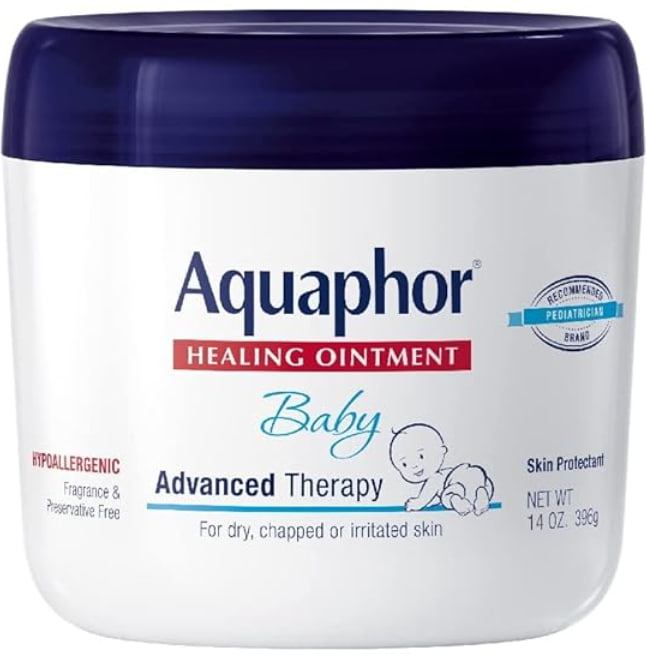
Diaper rash cream is a topical cream or ointment applied to a baby’s skin to prevent and treat diaper rash. It works by creating a protective barrier that shields the skin from moisture, urine, and stool, helping soothe irritation and promote healing.
How to use it:
After removing a dirty diaper, gently clean your baby’s skin and allow it to dry completely. Apply a thin, even layer of diaper rash cream to the affected area or anywhere the skin may be exposed to moisture. Put on a clean diaper and reapply the cream at every diaper change or as needed.
What to Look for When Buying Diaper Rash Cream:
When choosing the best diaper rash cream for babies, look for products containing zinc oxide or petrolatum, which provide strong moisture protection. For sensitive skin, select creams that are fragrance-free, paraben-free, and hypoallergenic. Thick creams offer longer-lasting protection, especially for overnight use. If your baby has frequent rashes, consider creams with soothing ingredients like aloe vera or shea butter.
5. Diaper Bag
Why it’s needed:
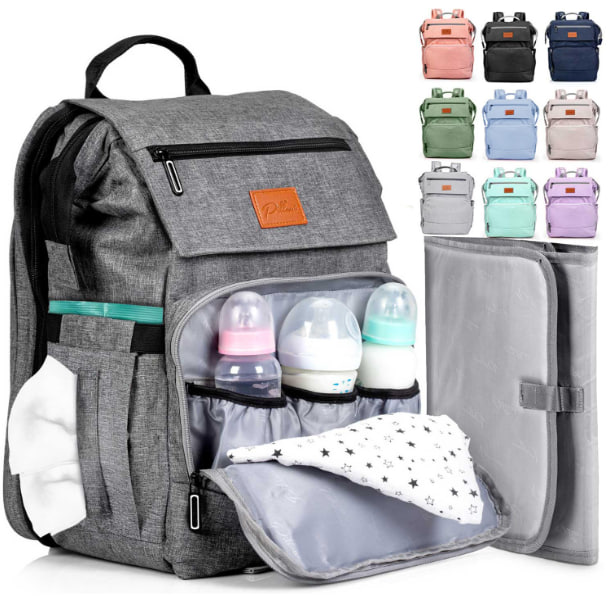
A diaper bag is a portable bag designed to carry essential baby items when parents are outside the home. It typically holds diapers, baby wipes, feeding bottles, extra clothes, and other baby-care necessities, helping parents stay organized while traveling with a baby.
How to use it:
Pack your diaper bag with daily baby essentials such as diapers, wipes, diaper rash cream, feeding supplies, and a change of clothes. Organize items using the bag’s compartments so they are easy to find. Carry the bag using the handles, shoulder strap, or backpack straps, and restock it after each outing to ensure it’s always ready.
What to Look for When Buying a Diaper Bag:
When choosing the best diaper bag, look for multiple compartments for easy organization and durable, water-resistant material for easy cleaning. Insulated pockets are useful for keeping bottles warm or cold, while padded straps provide comfort during long outings. Many parents prefer diaper backpack bags for hands-free convenience. Neutral designs can also make the bag suitable for both parents.
6. Nursing Pillow
Why it’s needed:
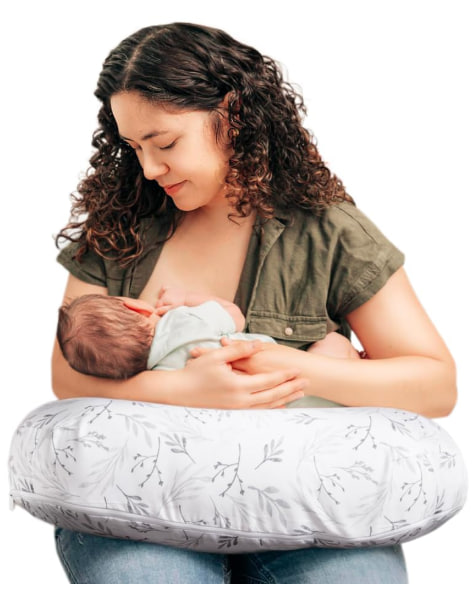
A nursing pillow is a specially designed support pillow used to help position a baby comfortably during breastfeeding or bottle-feeding. It lifts the baby to the right height, reducing strain on the mother’s arms, neck, and back while promoting proper feeding posture.
How to use it:
Place the nursing pillow around your waist or on your lap while sitting. Position your baby on the pillow so their mouth aligns comfortably with the breast or bottle. Adjust the pillow as needed to support the baby’s head and body, ensuring both parent and baby are relaxed during feeding.
What to Look for When Buying a Nursing Pillow:
When choosing the best nursing pillow, look for a firm yet comfortable design that provides stable support. A removable, machine-washable cover makes cleaning easier. For newborns, pillows with a contoured or wrap-around shape offer better positioning. Hypoallergenic materials are ideal for babies with sensitive skin.
7. Breast Pump
Why it’s Needed:
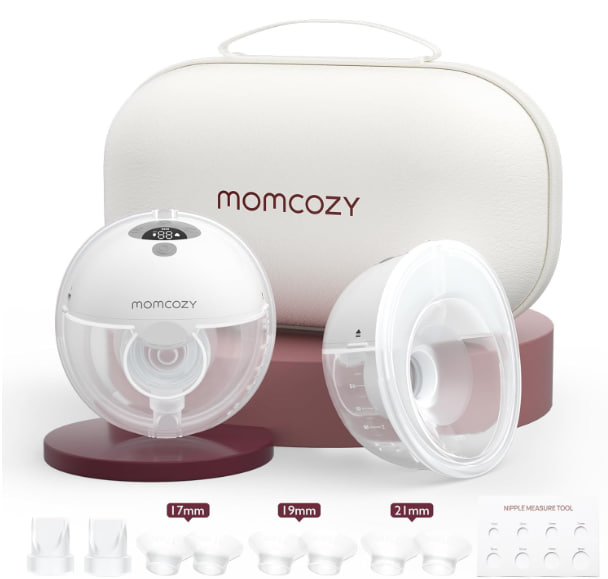
A breast pump is a device used to extract breast milk from a mother’s breasts for storage and later feeding. It is commonly used by breastfeeding mothers who want to build a milk supply, relieve breast fullness, or feed their baby when direct breastfeeding is not possible.
How to use it:
Wash your hands and ensure all pump parts are clean before use. Place the breast pump flange over the nipple, making sure it fits comfortably. Turn on the pump or begin manual pumping and adjust the suction to a comfortable level. Once pumping is complete, store the expressed milk in a clean, labeled container and clean the pump parts according to the manufacturer’s instructions
What to Look for When Buying a Breast Pump:
When choosing the best breast pump, consider whether you need a manual or electric pump based on how often you plan to pump. Electric pumps are ideal for frequent use, while manual pumps are portable and affordable. Look for pumps with adjustable suction levels, comfortable flange sizes, and easy-to-clean parts. Quiet operation and battery-powered options are useful for working or traveling mothers.
8. Baby Bottles
Why it’s needed:
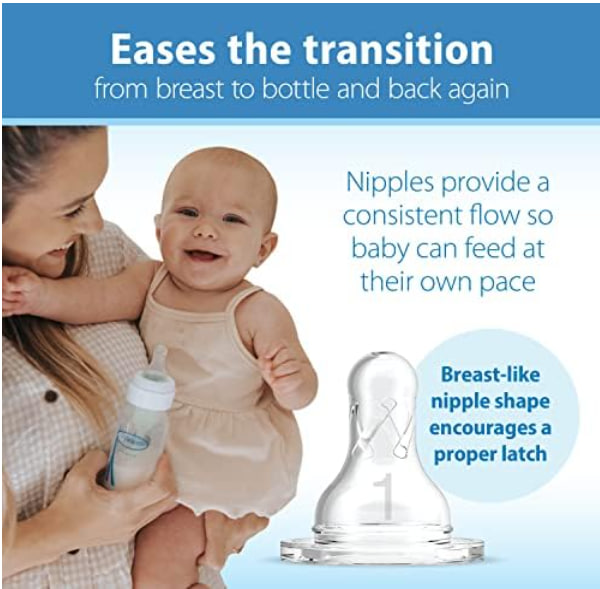
A baby bottle is a feeding container used to give babies breast milk, formula, or water. It typically includes a bottle, nipple (teat), and cap, allowing babies to feed safely when breastfeeding is not possible or as a supplement.
How to use it:
Before use, wash and sterilize the baby bottle and nipple. Fill the bottle with breast milk or prepared formula and securely attach the nipple and cap. Hold your baby in an upright position while feeding and tilt the bottle so the nipple stays full of milk to reduce air intake. After feeding, burp your baby and clean the bottle thoroughly.
What to Look for When Buying a Baby Bottle:
When choosing the best baby bottle, look for BPA-free materials such as glass or high-quality plastic. Anti-colic nipples help reduce gas and fussiness. Select the right nipple flow rate based on your baby’s age. Bottles with wide necks are easier to clean and refill, while leak-proof designs are ideal for travel.
9. Burp Cloths
Why it’s needed:
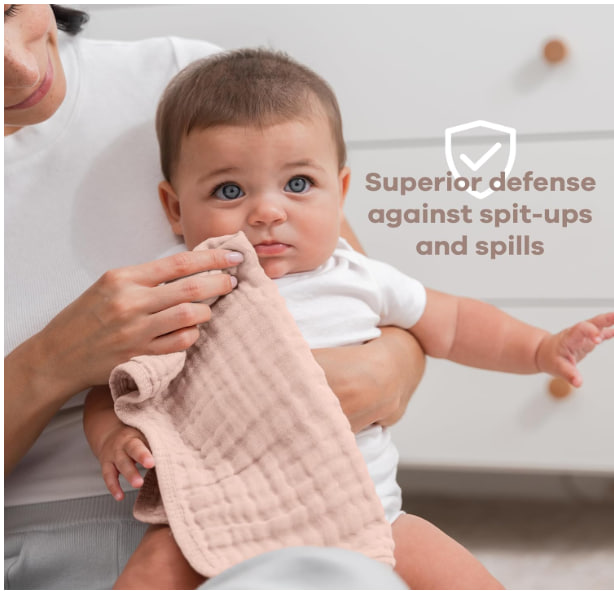
Burp cloths are soft, absorbent fabrics placed over a parent’s shoulder or lap to protect clothing from spit-up and drool while burping or feeding a baby. They help keep both the baby and caregiver clean during and after feeding
How to use it:
Place the burp cloth over your shoulder or across your lap before feeding or burping your baby. After feeding, gently hold your baby upright against your shoulder and pat their back while the cloth absorbs any spit-up. Replace the cloth when it becomes wet and wash it after use.
What to Look for When Buying Burp Cloths:
When choosing the best burp cloths, look for highly absorbent materials like cotton, muslin, or bamboo. Thicker, multi-layered cloths offer better protection and durability. Soft edges and large coverage sizes provide more comfort and reduce mess. Machine-washable fabrics are ideal for everyday use.
10. Bottle Warmer
Why it’s needed:
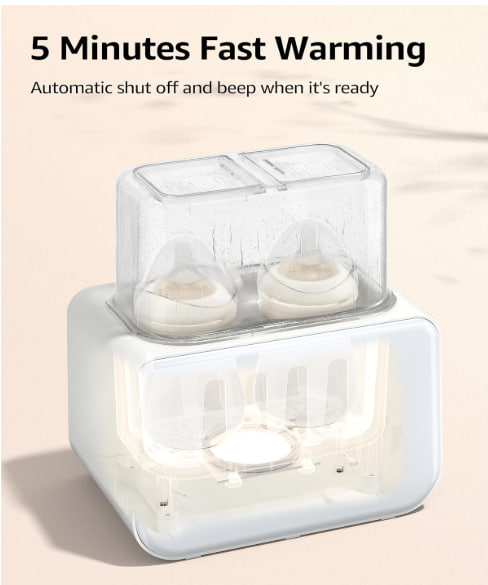
A bottle warmer is a device used to safely heat baby bottles containing breast milk or formula to a comfortable feeding temperature. It provides gentle, even warming and helps preserve the nutrients in breast milk better than microwaving.
How to use it:
Fill the bottle warmer with the required amount of water according to the manufacturer’s instructions. Place the baby bottle inside the warmer and turn it on. Once warming is complete, gently swirl the bottle to distribute heat evenly and test the temperature on your wrist before feeding your baby. Never overheat or microwave breast milk.
What to Look for When Buying a Bottle Warmer:
When choosing the best bottle warmer for babies, look for fast and even heating, automatic shut-off, and compatibility with different bottle sizes. Models that can also warm breast milk storage bags or baby food jars offer extra value. Compact, travel-friendly designs are ideal for nighttime or on-the-go feeding.
11. High Chair
Why it’s needed:
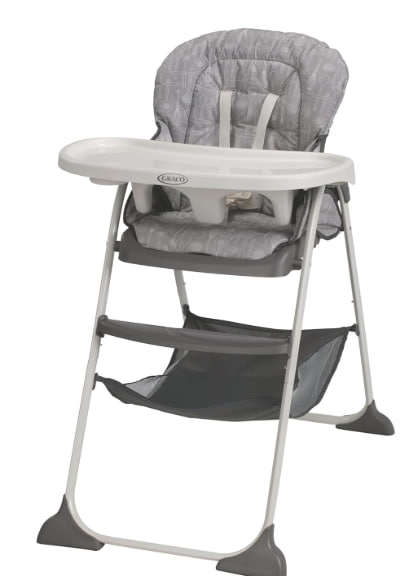
A high chair is a special chair designed to seat babies safely during feeding times. It raises the baby to table height and includes safety features such as straps and a tray to make eating easier and more secure.
Why a High Chair Is Important:
A high chair helps keep babies safe, upright, and properly positioned during meals, reducing the risk of choking. It also encourages good feeding habits and allows babies to join family mealtimes, supporting social and motor skill development. For parents, a high chair makes feeding more comfortable, cleaner, and
How to use it:
Place the high chair on a flat, stable surface and secure your baby using the safety harness. Adjust the seat height and tray so your baby sits upright and comfortably. Always supervise your baby during feeding and clean the chair after each use.
What to Look for When Buying a High Chair:
When choosing the best high chair for babies, look for a strong, stable frame, a secure safety harness, and an easy-to-clean seat and tray. Adjustable height and reclining options add comfort and long-term use. Foldable designs are ideal for small spaces, while removable trays make cleanup easier.
12. Baby Food Maker
Why it’s needed:
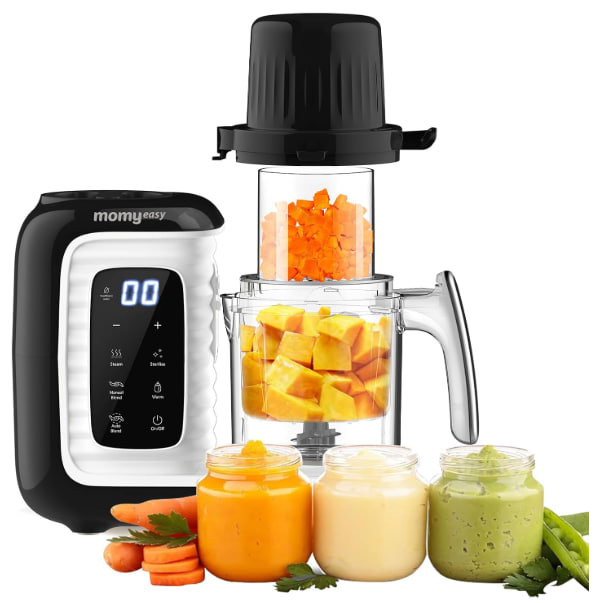
A baby food maker is a kitchen appliance designed to prepare homemade baby food by steaming, blending, or pureeing fruits, vegetables, and meats. It helps parents make fresh, nutritious meals suitable for babies starting solid foods.
Why a Baby Food Maker Is Important:
Using a baby food maker allows parents to control ingredients, avoid preservatives, and tailor food textures to their baby’s age. It can be more cost-effective than store-bought baby food and supports healthy eating habits from an early age.
How to Use a Baby Food Maker:
Wash and cut ingredients into small pieces. Place them in the baby food maker and steam or cook according to instructions. Once cooked, blend or puree the food to the desired consistency. Allow the food to cool before serving or storing it in airtight containers.
What to Look for When Buying a Baby Food Maker:
When choosing the best baby food maker, look for multi-function features such as steaming and blending in one unit. Easy-to-clean parts, BPA-free materials, and compact designs are ideal for daily use. Some models include storage containers and recipe guides for added convenience.
13. Swaddle Blanket
Why it’s needed:
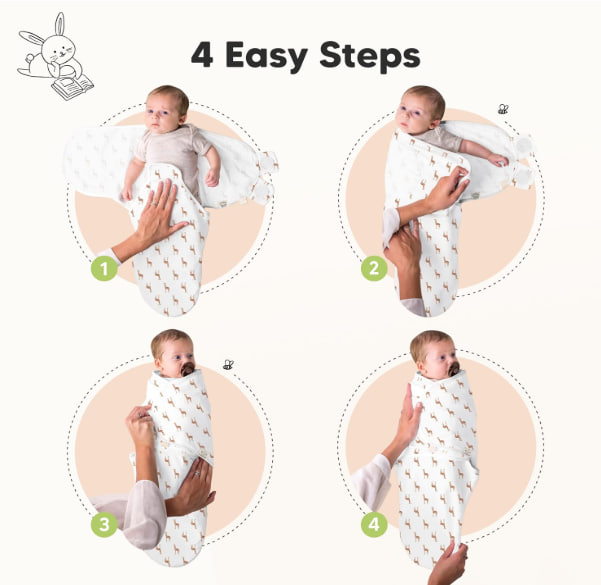
A swaddle blanket is a soft, lightweight blanket used to wrap babies snugly, helping them feel secure and calm. Swaddling mimics the comfort of the womb and is commonly used to help newborns sleep better.
Why a Swaddle Blanket Is Important:
Swaddle blankets help reduce the startle (Moro) reflex, which can wake babies suddenly. They promote longer, more restful sleep, provide warmth, and create a sense of security. Proper swaddling can also help soothe fussy babies and support healthy sleep routines.
How to use it:
Lay the swaddle blanket flat and place your baby on their back with shoulders aligned near the top. Gently wrap one side of the blanket across the baby’s body and tuck it under. Fold the bottom up over the feet, then wrap the remaining side snugly around the baby, leaving enough room for hip movement. Always place swaddled babies on their backs to sleep
What to Look for When Buying a Swaddle Blanket:
When choosing the best swaddle blanket for babies, look for breathable fabrics like cotton or muslin to prevent overheating. The blanket should be soft, lightweight, and large enough for secure wrapping. Swaddles with Velcro or zipper closures can be easier for new parents to use safely.
14. Baby Bassinet
Why it’s needed:
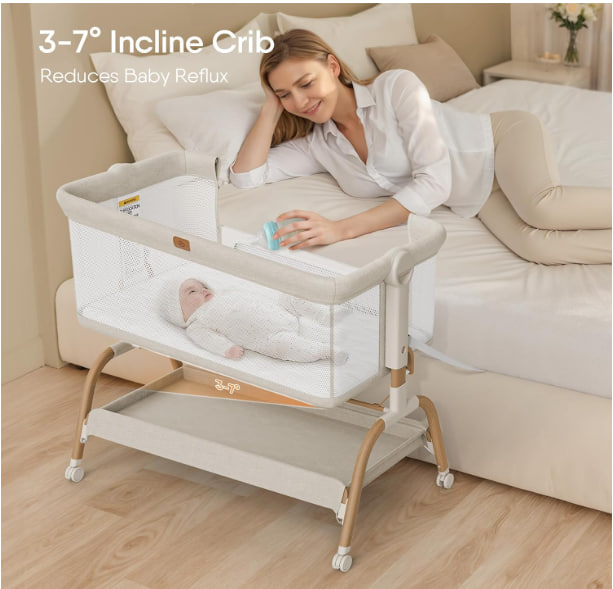
A baby bassinet is a small, cozy sleeping bed designed specifically for newborns and young infants. It provides a safe and comfortable sleeping space, usually placed close to the parents’ bed for easy nighttime care.
Why a Baby Bassinet Is Important:
A baby bassinet allows parents to keep their newborn nearby for feeding, soothing, and monitoring, especially during the first few months. It promotes safe sleep practices, supports better sleep for both baby and parents, and is often more space-efficient than a full-size crib.
How to use it:
Place the bassinet on a flat, stable surface away from cords, pillows, and loose bedding. Lay your baby on their back to sleep and ensure the mattress is firm with a fitted sheet. Follow the manufacturer’s weight and age limits, and stop using the bassinet once your baby starts rolling over or sitting up.
What to Look for When Buying a Baby Bassinet:
When choosing the best baby bassinet, look for a sturdy frame, breathable mesh sides, and a firm mattress that meets safety standards. Adjustable height and rocking or soothing features can add convenience. Lightweight, portable designs are ideal for moving around the home.
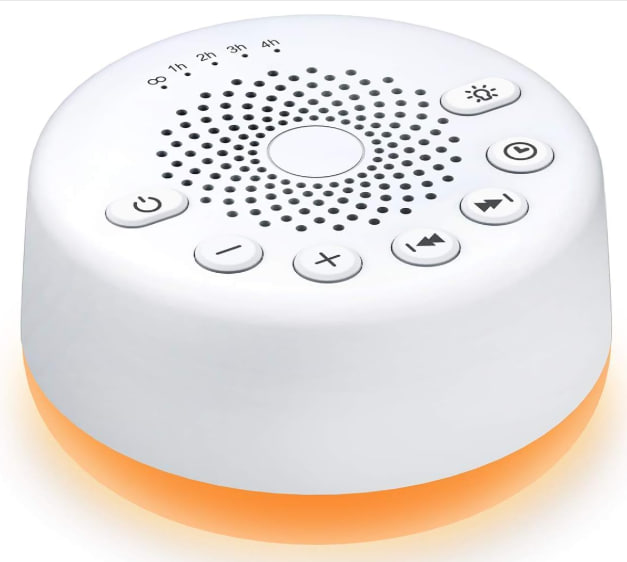
15. Sound Machine
Why it’s needed:
A sound machine for babies is a device that plays calming sounds such as white noise, lullabies, or nature sounds to help babies fall asleep and stay asleep. It creates a consistent background noise that masks sudden household sounds.
Why a Sound Machine Is Important:
Sound machines help babies sleep longer and more peacefully by reducing disruptions from noise. White noise can be especially soothing for newborns, as it mimics the sounds they heard in the womb. A sound machine can also help establish healthy sleep routines and provide comfort during naps and bedtime.
How to Use a Sound Machine for Babies:
Place the sound machine a safe distance away from the baby’s crib or bassinet. Select a gentle, continuous sound and set the volume to a low, safe level. Turn it on during naps or bedtime and keep the volume consistent. Always follow the manufacturer’s safety and volume recommendations
What to Look for When Buying a Sound Machine for Babies:
When choosing the best sound machine for babies, look for adjustable volume control, multiple sound options, and automatic shut-off or timer features. Portable, rechargeable models are ideal for travel, while night-light features can be helpful for nighttime feeding.
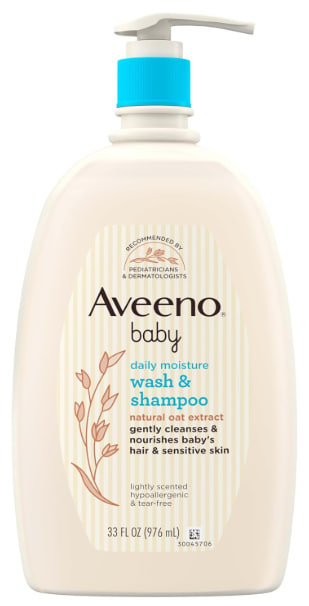
16. Baby Shampoo & Wash
Why it’s needed:
Baby shampoo and wash are gentle cleansing products specially formulated for babies’ delicate skin and hair. They help clean the scalp and body without stripping natural moisture or causing irritation, and many are designed to be tear-free.
Why Baby Shampoo & Wash Is Important:
Using baby-specific shampoo and wash helps protect a baby’s sensitive skin barrier and reduces the risk of dryness, irritation, and rashes. Tear-free formulas make bath time more comfortable, while mild ingredients support healthy skin and hair from an early age.
How to use it:
Wet your baby’s hair and body with warm water. Apply a small amount of baby shampoo and wash to your hand or a soft washcloth, gently cleanse the hair and skin, then rinse thoroughly. Pat your baby dry with a soft towel after bathing.
What to Look for When Buying Baby Shampoo & Wash:
When choosing the best baby shampoo and wash, look for fragrance-free or lightly scented, tear-free, and hypoallergenic formulas. Products that are dermatologist-tested and free from harsh chemicals such as parabens and sulfates are ideal. Natural ingredients like aloe vera or chamomile can help soothe sensitive skin.
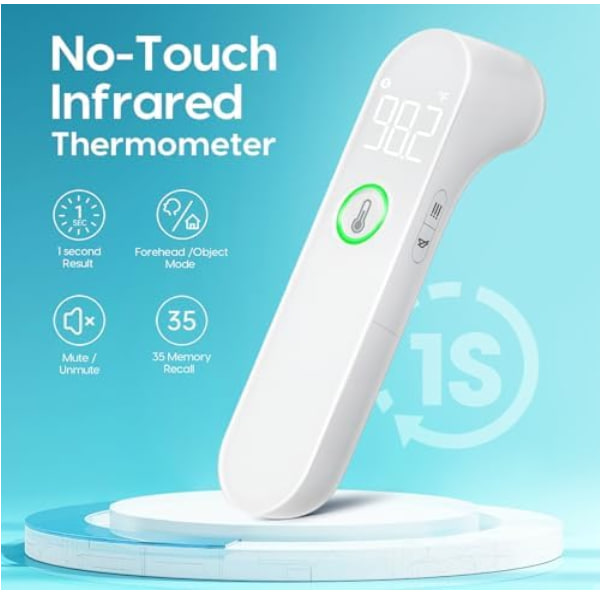
17. Baby Thermometer
Why it’s needed:
A baby thermometer is a medical device used to measure a baby’s body temperature accurately. It helps parents detect fever early and monitor their baby’s health, especially during illness or after vaccinations.
How to use it:
Follow the manufacturer’s instructions for your specific thermometer type (digital, ear, forehead, or rectal). Ensure the thermometer is clean before use. Take the temperature gently and record the reading. Clean the thermometer after each use and store it safely.
Why a Baby Thermometer Is Important:
A baby thermometer is important because babies cannot communicate discomfort clearly. Accurate temperature readings help parents identify fever quickly, decide when home care is sufficient, and know when to seek medical attention. Early detection supports better and faster care.
What to Look for When Buying a Baby Thermometer:
When choosing the best baby thermometer, look for fast and accurate readings, easy-to-read digital displays, and age-appropriate designs. Forehead and ear thermometers offer quick, non-contact options, while digital rectal thermometers are often recommended for newborns. Features like memory recall and fever alerts add convenience..
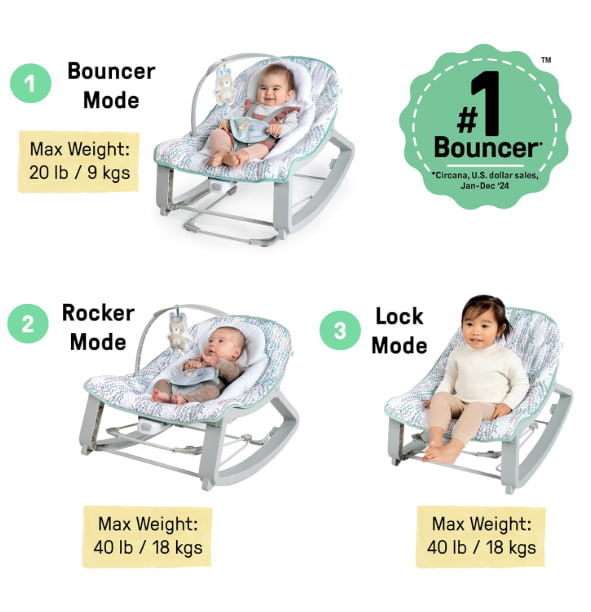
18. Baby Bouncer
Why it’s needed:
A baby bouncer is a lightweight, padded seat designed to gently bounce with a baby’s natural movements. It provides a comfortable place for babies to rest, play, or be soothed while staying safely supported.
Why a Baby Bouncer Is Important:
A baby bouncer helps soothe fussy babies, offers a safe place for short rest periods, and gives parents hands-free time while keeping the baby nearby. Gentle bouncing can calm babies and support early sensory development.
How to use it:
Place the bouncer on a flat, stable surface and secure your baby with the safety harness. Always supervise your baby while in the bouncer and use it only for short periods. Stop using the bouncer once your baby reaches the recommended weight limit or can sit up unassisted.
What to Look for When Buying a Baby Bouncer:
When choosing the best baby bouncer, look for a sturdy frame, secure safety straps, and soft, breathable padding. Removable, machine-washable covers make cleaning easier. Some bouncers also include toys or vibration features for added comfort and entertainment.
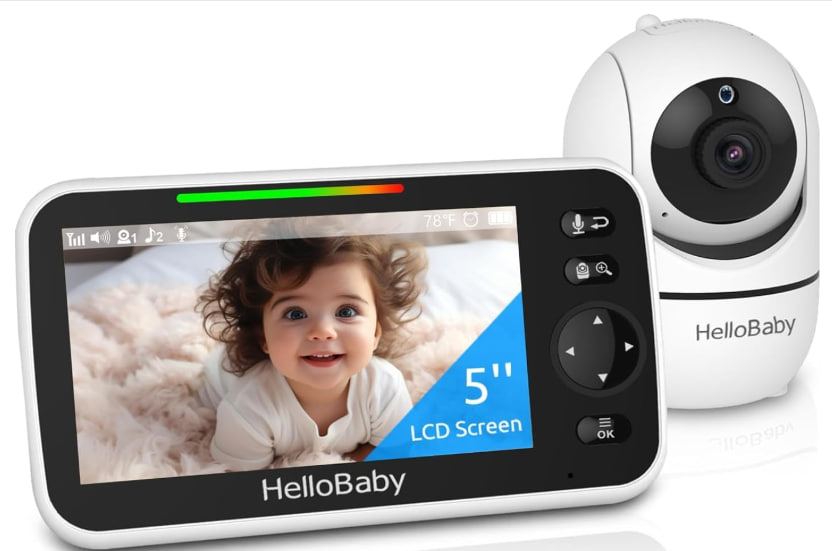
19. Baby Monitor (Video)
Why it’s needed:
A baby monitor with video and audio is an electronic device that allows parents to see and hear their baby remotely. It typically includes a camera placed in the baby’s room and a receiver or smartphone app, providing real-time monitoring.
Why a Video & Audio Baby Monitor Is Important:
A video and audio baby monitor gives parents peace of mind by allowing them to check on their baby without entering the room. It helps monitor sleep, detect crying or movement early, and enhances safety, especially during naps and nighttime.
How to use it:
Place the camera securely in the baby’s room with a clear view of the crib. Turn on the monitor and connect it to the parent unit or mobile app. Adjust volume and video settings as needed. Regularly check the connection and keep cords out of the baby’s reach.
What to Look for When Buying a Video & Audio Baby Monitor:
When choosing the best baby monitor with video and audio, look for clear video quality, two-way audio, and reliable connectivity. Features such as night vision, temperature monitoring, motion detection, and long battery life add extra value. Secure, encrypted connections are important for privacy.
20. Infant Car Seat
Why it’s needed:
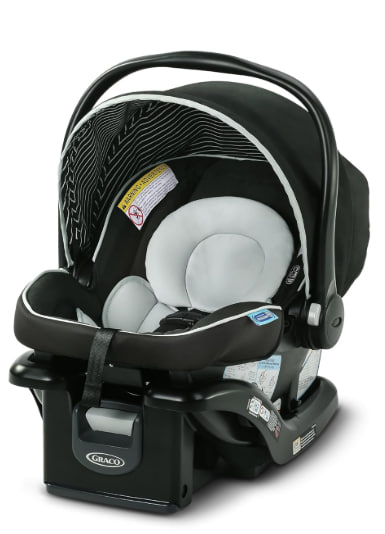
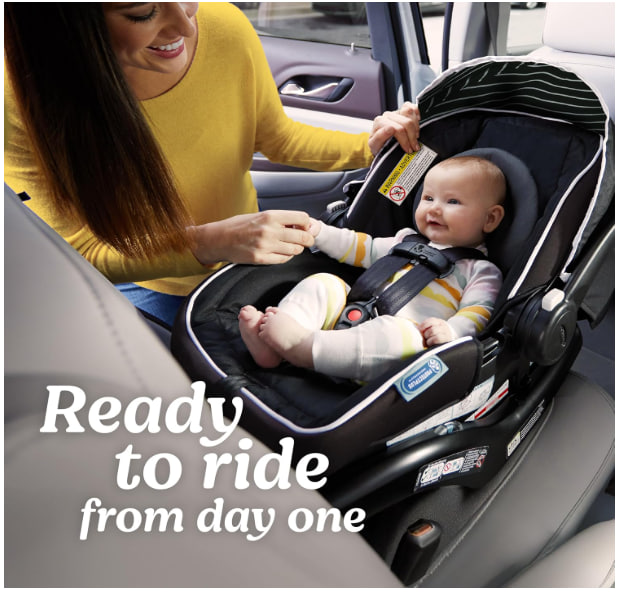
An infant car seat is a rear-facing car seat designed specifically for newborns and young babies. It provides proper head, neck, and spine support to keep infants safe while traveling in a vehicle.
Why an Infant Car Seat Is Important:
An infant car seat is essential for protecting babies during car rides and significantly reduces the risk of injury in case of an accident. Rear-facing seats support a baby’s developing body and are legally required in many countries for newborn travel.
How to use it:
Install the infant car seat in the back seat of the vehicle, following the manufacturer’s instructions. Secure the seat tightly using the seat belt or LATCH system. Place your baby in the seat, ensuring the harness is snug and positioned correctly at or below shoulder level. Always keep the seat rear-facing.
What to Look for When Buying an Infant Car Seat:
When choosing the best infant car seat, look for safety certification, side-impact protection, and adjustable harness systems. A lightweight design with a carry handle adds convenience, while compatibility with strollers can be helpful for travel systems. Ensure the seat fits both your baby and your vehicle properly.
21. Baby Nail Clippers
Why it’s needed:
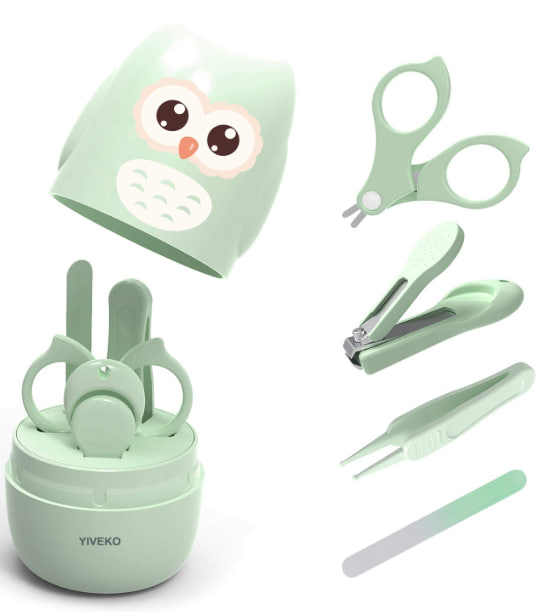
Baby nail clippers are small, specially designed grooming tools used to trim a baby’s fingernails and toenails safely. They are made to handle delicate nails and reduce the risk of accidental cuts.
Why Baby Nail Clippers Are Important:
Babies’ nails grow quickly and can be sharp, which may lead to scratches on the face and skin. Using baby nail clippers helps keep nails short and smooth, reducing injury while maintaining proper hygiene.
How to use it:
Trim your baby’s nails when they are calm or asleep. Hold the finger gently and carefully clip straight across, avoiding the skin. For extra safety, use good lighting and trim nails regularly to prevent overgrowth.
What to Look for When Buying Baby Nail Clippers:
When choosing the best baby nail clippers, look for rounded edges, non-slip handles, and stainless steel blades for clean cuts. Clippers with safety guards or magnifying features can provide extra protection, especially for newborns
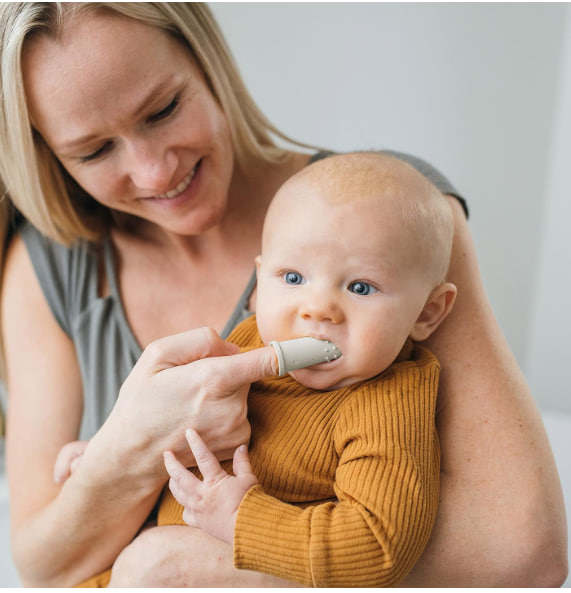
22. Baby Toothbrush & Gum Brush
Why it’s needed:
A baby toothbrush and gum brush are oral care tools designed for infants and toddlers to gently clean teeth and massage gums. Gum brushes are used before teeth appear, while baby toothbrushes help clean emerging teeth and maintain oral hygiene.
Why Baby Toothbrush & Gum Brush Is Important:
Early oral care helps prevent tooth decay, reduces harmful bacteria, and gets babies comfortable with daily brushing routines. Gum brushing also soothes teething discomfort and supports healthy gum development, laying the foundation for good dental habits.
How to use it:
For newborns, gently clean the gums using a soft gum brush or silicone finger brush after feeding. Once teeth appear, use a baby toothbrush with soft bristles and a rice-grain-sized amount of fluoride toothpaste (as recommended by pediatric dentists). Brush gently twice a day and rinse the brush after use.
What to Look for When Buying Baby Toothbrush & Gum Brush:
When choosing the best baby toothbrush or gum brush, look for extra-soft bristles, BPA-free materials, and easy-to-hold handles. Silicone finger brushes are ideal for infants, while toothbrushes with small heads are best for tiny mouths. Choose age-appropriate designs for safety and comfort.
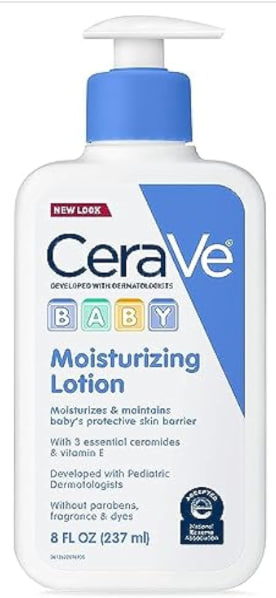
23. Baby Lotion / Moisturizer
Why it’s needed:
Baby lotion or moisturizer is a gentle skincare product designed to keep a baby’s skin soft, hydrated, and protected. It helps prevent dryness and soothes sensitive skin without harsh ingredients.
Why Baby Lotion / Moisturizer Is Important
A baby’s skin is more delicate and prone to dryness than adult skin. Using a baby-safe moisturizer helps maintain the skin’s natural barrier, reduce irritation, and keep the skin smooth and comfortable, especially after bathing or during dry weather.
What to Look for When Buying Baby Lotion / Moisturizer:
When choosing the best baby lotion or moisturizer, look for fragrance-free, hypoallergenic, and dermatologist-tested formulas. Products made with natural, nourishing ingredients like shea butter, coconut oil, or aloe vera are ideal. Avoid lotions with parabens, phthalates, and harsh chemicals.
How to use it:
After bathing, gently pat your baby’s skin dry with a soft towel. Apply a small amount of baby lotion or moisturizer and gently massage it into the skin until absorbed. Use daily or as needed, focusing on dry areas such as arms, legs, and cheeks.
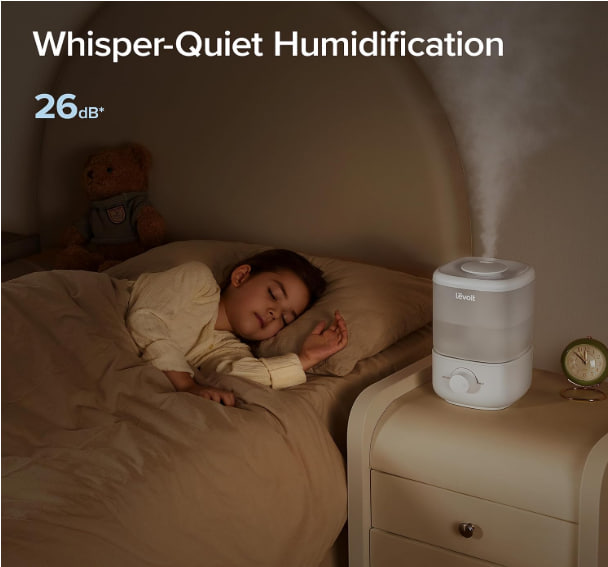
24. Humidifier
Why it’s needed:
A humidifier for babies is a device that adds moisture to the air to help keep a baby’s breathing passages and skin comfortable. It is commonly used to ease dry air, especially during cold weather or in air-conditioned rooms.
Why a Humidifier Is Important for Babies:
Using a humidifier can help relieve nasal congestion, dry cough, and dry skin in babies. Proper humidity supports easier breathing, better sleep, and overall comfort, particularly when babies have colds or allergies.
How to Use a Humidifier for Babies:
Place the humidifier in the baby’s room on a flat surface, safely out of reach. Fill it with clean water and turn it on as directed. Use a cool-mist humidifier, as it is safer for babies. Clean and refill the humidifier daily to prevent mold or bacteria buildup.
What to Look for When Buying a Humidifier for Babies:
When choosing the best humidifier for babies, look for a cool-mist model, quiet operation, and easy-to-clean design. Adjustable mist settings, automatic shut-off, and built-in humidity controls add safety and convenience.
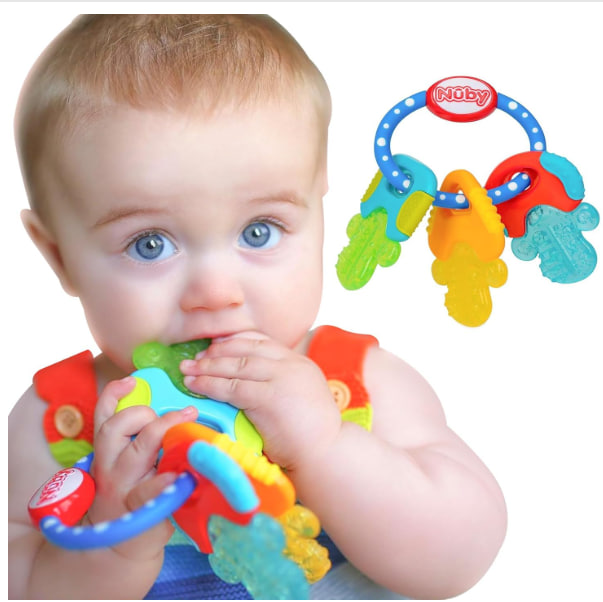
25. Teething Toys
Why it’s needed:
Teething toys are baby-safe chewable toys designed to help soothe sore gums when a baby’s teeth begin to emerge. They provide gentle pressure that can reduce discomfort and keep babies engaged during the teething stage.
Why Teething Toys Are Important:
Teething toys help relieve gum pain and irritation, reduce fussiness, and prevent babies from chewing on unsafe objects. They also support sensory development and hand–mouth coordination, making teething more comfortable for both babies and parents..
What to Look for When Buying Teething Toys:
When choosing the best teething toys, look for BPA-free, non-toxic materials such as food-grade silicone or natural rubber. Toys should be easy to grip, durable, and free from small parts. Textured surfaces can provide extra comfort for sore gums.
How to use it:
Before use, wash the teething toy according to the manufacturer’s instructions. Offer the toy to your baby during teething discomfort and allow them to chew under supervision. Some teething toys can be chilled in the refrigerator (not the freezer) for added soothing relief.
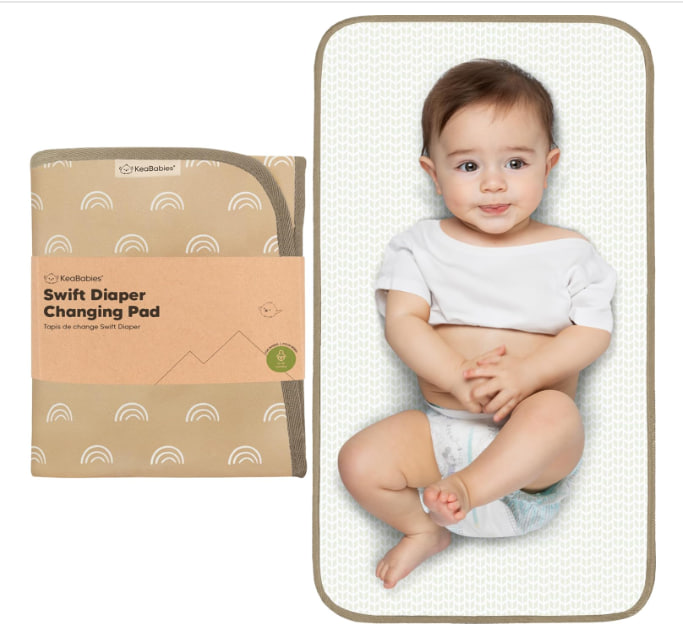
26. Portable Changing Pad
Why it’s needed:
A portable changing pad is a lightweight, foldable mat designed to provide a clean and comfortable surface for diaper changes when you are away from home. It protects babies from germs and keeps diaper changes hygienic on the go.
Why a Portable Changing Pad Is Important:
A portable changing pad helps ensure safe and sanitary diaper changes anywhere, including public restrooms, cars, or outdoor spaces. It protects a baby’s sensitive skin from dirty surfaces and makes outings more convenient for parents.
How to use it:
Unfold the changing pad and place it on a flat surface. Lay your baby on the pad, change the diaper as usual, and clean the pad if needed. Fold it back up after use and store it in your diaper bag
What to Look for When Buying a Portable Changing Pad:
When choosing the best portable changing pad, look for waterproof or wipe-clean materials, soft padding, and compact foldable designs. Pads with built-in pockets for diapers and wipes add extra convenience, while machine-washable options make cleaning easier
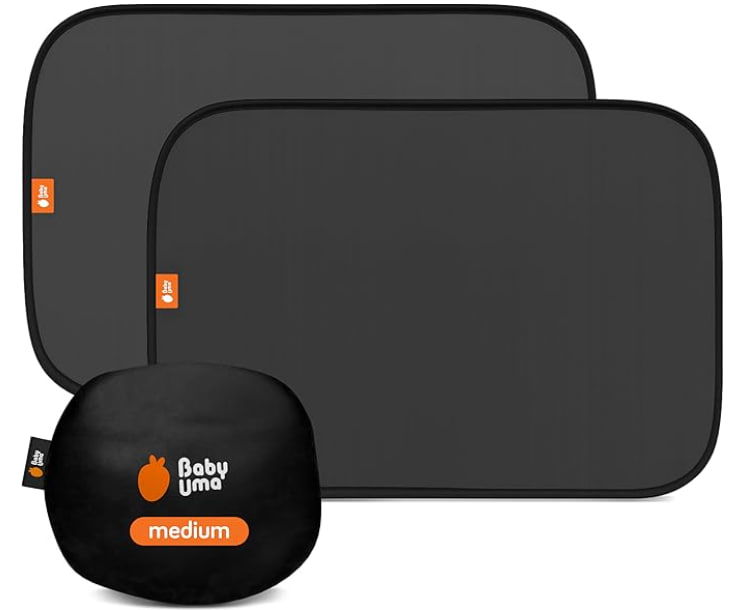
27. Baby Car Window Shade
Why it’s needed:
A car window shade for babies is a protective screen attached to a vehicle’s window to block direct sunlight and harmful UV rays. It helps keep the car cooler and protects babies’ eyes and skin during travel.
Why a Car Window Shade Is Important:
Car window shades help reduce sun glare and heat, keeping babies more comfortable and preventing overheating. They also protect sensitive skin from UV exposure and can help babies nap more peacefully during car rides.
How to use it:
Attach the window shade to the car window using suction cups, static cling, or built-in clips, following the manufacturer’s instructions. Position it to cover the area where sunlight reaches your baby. Ensure the shade does not interfere with driver visibility.
What to Look for When Buying a Car Window Shade for Baby:
When choosing the best car window shade for babies, look for UV protection, easy installation, and durable materials. Adjustable or universal-fit designs are convenient for different car models. Compact, foldable shades are ideal for storage when not in use.
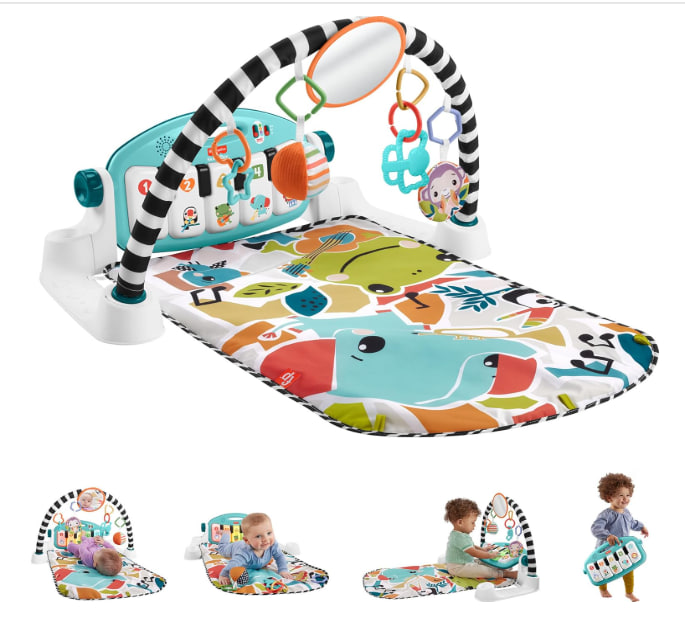
28. Baby Play Mat
Why it’s needed:
A baby play mat is a soft, cushioned surface designed to give babies a safe and comfortable area for play, tummy time, and early movement. It helps protect babies from hard floors while encouraging exploration.
Why a Baby Play Mat Is Important:
Baby play mats support motor skill development, strengthen neck and shoulder muscles during tummy time, and provide a clean space for babies to play safely. They also help stimulate sensory development through colors, textures, and patterns.
How to use it:
LPlace the play mat on a flat floor in a safe area. Lay your baby on the mat for supervised play, tummy time, or relaxation. Always supervise your baby during play and keep the area free from small or sharp objects.
What to Look for When Buying a Baby Play Mat:
When choosing the best baby play mat, look for non-toxic, BPA-free materials, thick cushioning, and easy-to-clean surfaces. Foldable or roll-up mats are convenient for storage and travel. Designs with bright colors and textures help engage babies.
Disclosure: Health Hive Nest participates in the Amazon Services LLC Associates Program. We may earn a small commission from qualifying purchases at no extra cost to you.
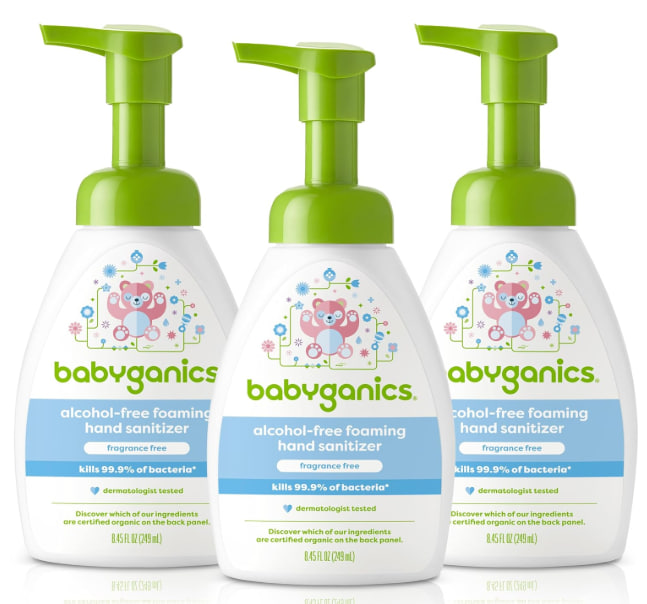
29. Hand Sanitizer (Baby Safe)
Why it’s needed:
Baby-safe hand sanitizer is a gentle hand-cleaning product designed to kill germs while being safe for use around babies. It is formulated to be less harsh than regular sanitizers and is often made with moisturizing ingredients to protect sensitive skin.
Why Baby-Safe Hand Sanitizer Is Important:
Using baby-safe hand sanitizer helps reduce the spread of germs when soap and water are not available, especially before handling babies. Gentle formulas help protect caregivers’ hands without leaving harmful residues that could irritate a baby’s skin.
Why it’s needed:
Apply a small amount of sanitizer to your hands and rub them together until dry. Use it before feeding, diaper changes, or touching your baby when handwashing is not possible. Keep sanitizer out of babies’ reach and avoid applying it directly to a baby’s hands unless directed by a healthcare professional.
What to Look for When Buying Baby-Safe Hand Sanitizer:
When choosing the best baby-safe hand sanitizer, look for alcohol-based formulas (60–70%) that are fragrance-free and hypoallergenic. Added moisturizers like aloe vera or glycerin help prevent dryness. Avoid products with strong scents, dyes, or harsh chemicals
30. Crib Mattress
Why It’s Needed
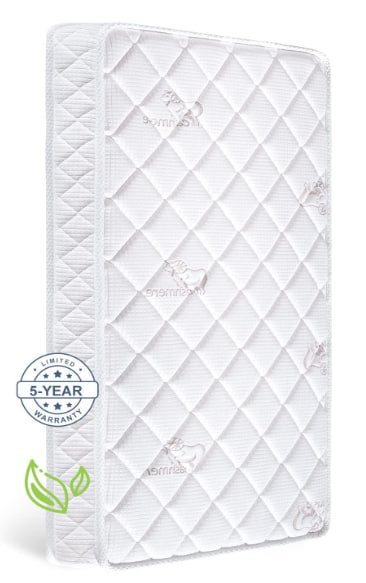
A crib mattress is one of the most critical baby purchases because infants spend most of their early months sleeping. A proper mattress supports healthy spinal alignment and plays a major role in safe sleep practices recommended in the United States.
Why a Crib Mattress Is Important
A crib mattress is important because a firm sleep surface reduces the risk of suffocation and supports safe sleep practices. It helps maintain proper posture for a baby’s developing body and promotes better, uninterrupted sleep.
How to Use It
Place the crib mattress securely inside the crib with no gaps along the sides. Use only a tight-fitting crib sheet and avoid adding pillows, blankets, or toys. Always place your baby on their back to sleep and check the mattress regularly for wear.
What to Look for When Buying a Crib Mattress
When choosing the best crib mattress, look for firm support, snug fit, and safety certifications. Waterproof or water-resistant covers make cleanup easier. Breathable materials, hypoallergenic construction, and dual-sided mattresses (infant and toddler sides) offer added value.
31. Baby Stroller (Baby essentials checklist)
Why It’s Needed a Baby Essentials Checklist
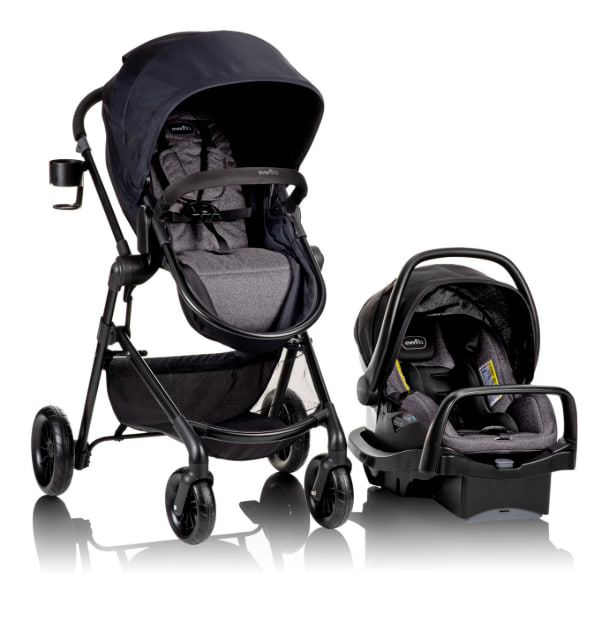
A baby stroller is a wheeled carriage designed to safely transport babies and young children while walking or traveling. It provides a comfortable seating or lying position and helps parents move easily with their baby.
Why a Baby Stroller Is Important
A baby stroller makes outings safer, easier, and less tiring for parents while keeping babies comfortable and protected. It supports daily activities like walks, shopping, and travel, and many strollers are designed to adapt as a baby grows.
Why It’s Needed
Place your baby securely in the stroller and fasten the safety harness properly. Adjust the seat position, recline, and canopy as needed for comfort and protection. Always use the brakes when stopped and never leave your baby unattended.
What to Look for When Buying a Baby Stroller
When choosing the best baby stroller, look for a sturdy frame, secure harness system, and smooth-rolling wheels. Adjustable handles, reclining seats, and storage baskets add convenience. Lightweight or foldable strollers are ideal for travel, while all-terrain wheels suit outdoor use.
Final Thoughts
You don’t need every baby product on the market—but you do need the right ones. Choosing reliable, well-reviewed essentials helps you focus less on logistics and more on enjoying parenthood.
At Health Hive Nest, our mission is to guide families toward safe, practical, and health-focused baby products that truly make life easier.