
Losing weight is one of the most common health goals worldwide, yet it is also one of the most misunderstood. Many people attempt extreme diets, supplements, or short-term programs that promise rapid results, only to regain the weight months later. True weight loss success is not about speed or restriction; it is about building habits that support health, metabolism, and consistency over time.
This article explains the best ways to lose weight naturally and permanently, based on scientific evidence, global health guidelines, and real-world research. Every strategy discussed here aligns with recommendations from trusted organizations such as the World Health Organization (WHO) and other reputable health institutions.
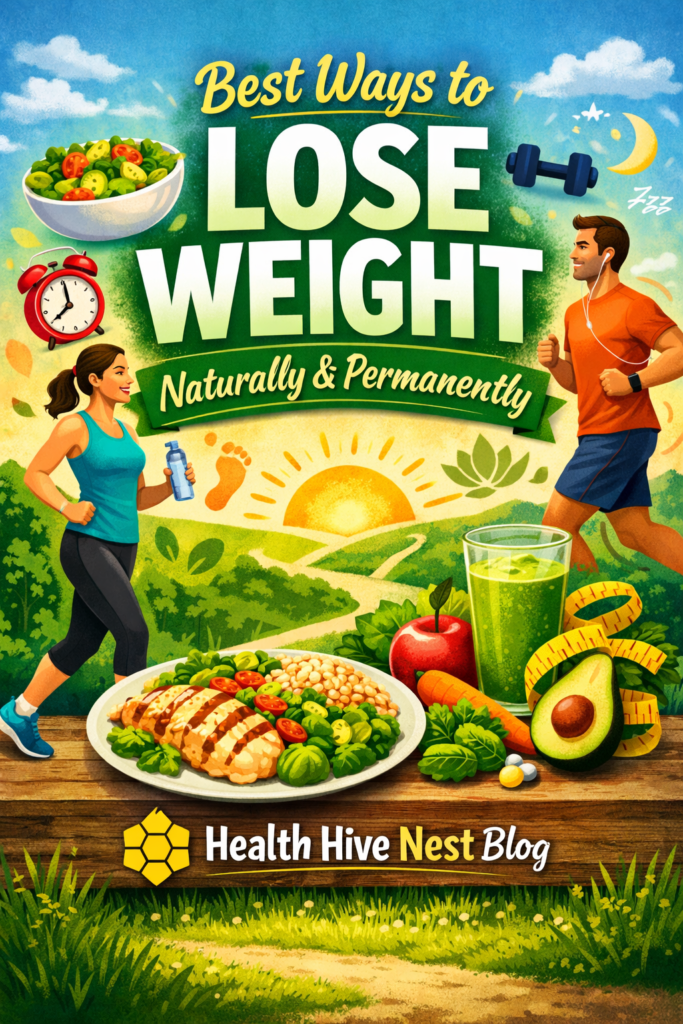
Why Natural and Permanent Weight Loss Matters
According to the World Health Organization, overweight and obesity have increased dramatically over the past decades and are now major contributors to heart disease, type 2 diabetes, high blood pressure, and certain cancers. WHO emphasizes that sustainable lifestyle changes, not crash dieting, are the most effective way to reduce excess body fat and maintain a healthy weight long term.
Permanent weight loss matters because:
- Rapid weight loss often leads to muscle loss and metabolic slowdown
- Extreme diets increase the risk of nutrient deficiencies
- Repeated weight cycling (yo-yo dieting) is associated with worse health outcomes
- Sustainable habits improve both physical and mental well-being
The goal is not just to lose weight, but to keep it off without harming the body.
Understanding How Weight Loss Works
Weight loss occurs when the body consistently uses more energy than it consumes. However, this process is influenced by many factors beyond calories alone, including hormones, sleep, stress, food quality, and physical activity.
Permanent weight loss focuses on:
- Improving metabolic efficiency
- Regulating hunger hormones
- Preserving muscle mass
- Supporting long-term behavior change
This is why natural methods outperform short-term dieting in the long run.
Eat a Balanced, Whole-Food Diet
A healthy diet is the foundation of natural weight loss. WHO recommends a diet rich in whole foods and low in highly processed products to prevent unhealthy weight gain.
Focus on Whole, Minimally Processed Foods
Whole foods are naturally filling, nutrient-dense, and lower in excess calories. Diets centered around whole foods are consistently linked with better weight control.
Examples include:
- Vegetables such as leafy greens, carrots, broccoli, and peppers
- Fruits eaten whole rather than as juice
- Whole grains like oats, brown rice, and millet
- Lean proteins such as fish, eggs, legumes, and poultry
- Healthy fats from nuts, seeds, olive oil, and avocados
Research shows that people who eat more whole foods naturally consume fewer calories without deliberate restriction.
Micronutrients found in whole foods also play a role in energy balance, immunity, and metabolism. This is discussed in detail in the Health Hive Nest article on how micronutrients affect energy, immunity, and mood, which explains why nutrient quality matters as much as calorie quantity.
How Micrnutrients Affects Energy Immunity and Mood:
https://healthhivenest.com/how-micronutrients-affect-energy-immunity-and-mood/
Reduce Added Sugar and Ultra-Processed Foods
WHO strongly advises limiting added sugars and ultra-processed foods, as they contribute significantly to weight gain.
Ultra-processed foods:
- Are high in calories but low in nutrients
- Increase appetite and reduce satiety
- Disrupt natural hunger signals
Common examples include sugary drinks, packaged snacks, pastries, instant noodles, and fast food. Replacing these with home-prepared meals improves weight control and metabolic health.
Increase Protein and Fiber Intake
Protein and fiber are two of the most important nutrients for natural weight loss.
Protein:
- Reduces hunger
- Preserves muscle mass during weight loss
- Increases calorie burn through digestion
Fiber:
- Slows digestion
- Improves fullness
- Stabilizes blood sugar
Diets higher in protein and fiber are consistently linked to better long-term weight maintenance.
Stay Physically Active Consistently
Physical activity is essential for permanent weight loss and overall health. WHO recommends at least 150 to 300 minutes of moderate-intensity activity per week for adults.
This can include:
- Brisk walking
- Cycling
- Swimming
- Dancing
- Household or occupational movement
Regular movement:
- Increases calorie expenditure
- Improves insulin sensitivity
- Reduces fat storage
- Supports mental health
Strength training is also important. Building muscle helps maintain metabolism and prevents weight regain over time.
Build Sustainable Eating Habits
Permanent weight loss depends more on habits than willpower.
Practice Mindful Eating
Mindful eating involves paying attention to hunger cues, portion sizes, and emotional triggers. Research shows that people who eat mindfully are more likely to maintain weight loss long term.
Simple mindful eating habits include:
- Eating without distractions
- Chewing slowly
- Stopping when comfortably full
Avoid Extreme Dieting
Extreme calorie restriction often leads to:
- Fatigue
- Nutrient deficiencies
- Increased cravings
- Weight regain
A moderate, flexible approach is more effective and sustainable.
Improve Sleep and Stress Management
Sleep and stress are often overlooked but play a critical role in weight regulation.
Sleep and Weight Loss
Poor sleep disrupts hunger hormones such as ghrelin and leptin, increasing appetite and cravings. Studies consistently show that adults who sleep fewer than seven hours per night are more likely to gain weight.
Improving sleep quality supports natural weight loss. Health Hive Nest explores this connection in its article on morning routines that improve nighttime sleep, highlighting how daily habits affect rest and metabolism.
Morning Routines-that Improve Night-time Sleep:
https://healthhivenest.com/morning-routines-that-improve-nighttime-sleep/
Manage Chronic Stress
Chronic stress increases cortisol levels, which promotes fat storage, especially around the abdomen. Stress also encourages emotional eating and poor food choices.
Effective stress management includes:
- Regular physical activity
- Adequate rest
- Breathing exercises
- Time management
Drink Enough Water and Avoid Sugary Beverages
Hydration plays a supportive role in weight management.
Drinking water:
- Helps control appetite
- Supports digestion
- Reduces unnecessary calorie intake
Replacing sugary drinks with water is one of the simplest and most effective weight loss strategies recommended by public health experts.
Set Realistic Weight Loss Goals
Permanent weight loss is gradual. Health authorities generally recommend aiming for 0.5 to 1 kilogram per week, which is associated with better long-term success.
Realistic goals:
- Prevent muscle loss
- Reduce metabolic adaptation
- Improve adherence
Tracking progress through measurements, clothing fit, and energy levels is more useful than relying solely on the scale.
Be Cautious With Weight Loss Products
WHO has advised against relying on artificial sweeteners or weight loss supplements for long-term weight management. These products often fail to produce lasting fat loss and may encourage unhealthy eating patterns.
Natural weight loss relies on:
- Food quality
- Movement
- Lifestyle habits
Not pills or shortcuts.
Weight Loss as a Lifestyle, Not a Phase
Permanent weight loss is not a temporary project. It is the result of consistent behaviors that become part of daily life.
A healthy lifestyle includes:
- Balanced nutrition
- Regular movement
- Adequate sleep
- Stress control
- Long-term consistency
Families and children also benefit from these habits. Health Hive Nest’s Child’s Health section covers lifestyle practices that support healthy growth and prevent obesity from an early age.
Learn =More About Child’s Health:
https://healthhivenest.com/category/childs-health/
Final Thoughts
The best ways to lose weight naturally and permanently are grounded in science, not trends. Sustainable weight loss comes from nourishing the body, staying active, sleeping well, managing stress, and building habits that can be maintained for life.
There is no single food or routine that guarantees success. Instead, consistency, balance, and evidence-based choices create results that last.
When weight loss supports health rather than punishing the body, it becomes achievable, realistic, and permanent.