
When Exhaustion Goes Beyond Being Tired
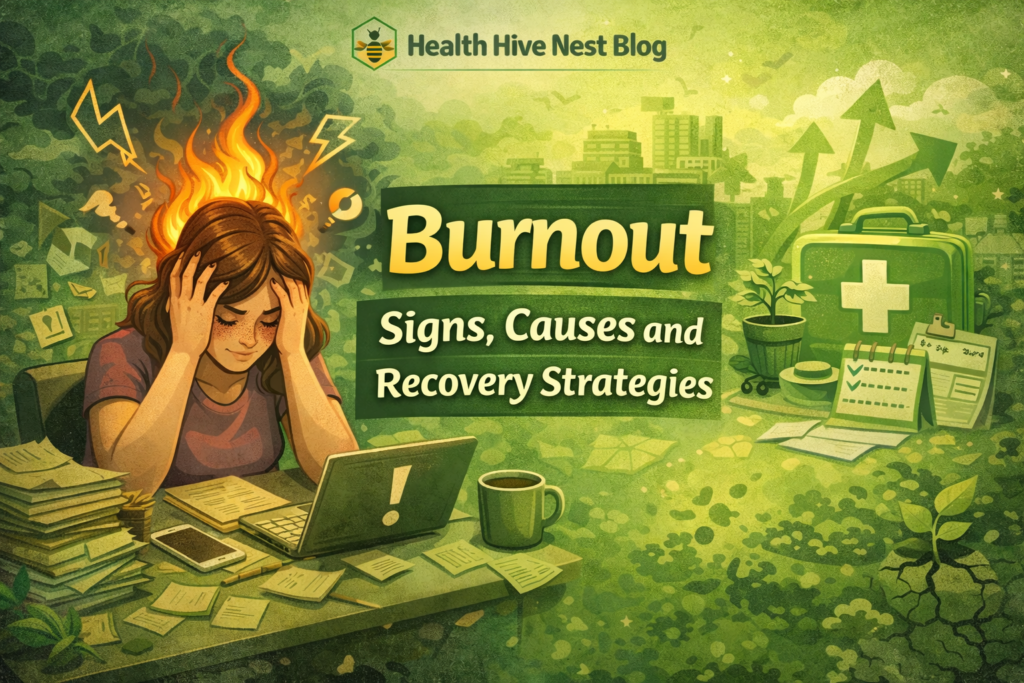
Burnout signs causes and recovery strategies is a topic that resonates with many people who feel constantly drained, emotionally detached, and overwhelmed by daily demands. Burnout is not the same as ordinary stress or having a busy week—it is a state of prolonged physical, mental, and emotional exhaustion.
People experiencing burnout often say things like, “I don’t recognize myself anymore,” or “Even small tasks feel impossible.” These feelings don’t appear overnight. Burnout develops gradually, often when stress continues without enough rest, support, or recovery.
Understanding burnout early makes a meaningful difference. Recognizing the signs, addressing the root causes, and using proven recovery strategies can help prevent long-term health consequences.
What Is Burnout?
Burnout is a stress-related condition caused by prolonged exposure to emotional and physical demands without adequate recovery.
The World Health Organization (WHO) recognizes burnout as an occupational phenomenon linked to chronic workplace stress that has not been successfully managed.
https://www.who.int
While often associated with work, burnout can also occur in caregivers, parents, students, and anyone facing ongoing pressure with little relief.
Common Signs of Burnout
Burnout affects the whole person—mind, body, and behavior.
Emotional Signs
Emotional exhaustion is often the earliest and most noticeable symptom.
Common emotional signs include:
- Feeling drained most of the time
- Irritability or frustration over small issues
- Loss of motivation or enthusiasm
- Emotional numbness or detachment
Example: Someone who once enjoyed their job may feel indifferent or resentful toward tasks they previously found meaningful.
Mental and Cognitive Signs
Burnout affects how the brain processes information.
These signs may include:
- Difficulty concentrating
- Forgetfulness
- Negative or cynical thinking
- Feeling ineffective or incompetent
According to the American Psychological Association (APA), chronic stress impairs cognitive function and emotional regulation.
https://www.apa.org
Physical Signs
The body often shows warning signs before burnout becomes severe.
Physical symptoms may include:
- Persistent fatigue
- Headaches or muscle tension
- Sleep disturbances
- Frequent colds or infections
The Mayo Clinic notes that long-term stress can weaken the immune system and increase physical complaints.
https://www.mayoclinic.org
Behavioral Signs
Changes in behavior often reflect internal exhaustion.
These may include:
- Withdrawal from social interactions
- Procrastination or reduced productivity
- Increased reliance on caffeine, alcohol, or comfort foods
- Avoidance of responsibilities
Causes of Burnout
Burnout rarely has a single cause. It usually results from a combination of factors over time.
Work-Related Causes
Workplace burnout is one of the most common forms.
Key contributors include:
- Excessive workload
- Lack of control or autonomy
- Unclear expectations
- Poor work-life boundaries
- Lack of recognition or support
The CDC highlights chronic workplace stress as a risk factor for mental and physical health issues.
https://www.cdc.gov
Lifestyle Factors
Certain habits can increase vulnerability to burnout.
These include:
- Inadequate sleep
- Poor nutrition
- Lack of physical activity
- Minimal downtime
When recovery time is consistently sacrificed, stress accumulates.
Personality and Internal Pressures
Some individuals are more prone to burnout due to internal expectations.
Common contributing traits include:
- Perfectionism
- High self-criticism
- Difficulty saying no
- Strong sense of responsibility for others
While these traits can be strengths, they also increase burnout risk when boundaries are lacking.
Life Stressors
Burnout is not limited to work.
Major life pressures such as:
- Caregiving responsibilities
- Financial stress
- Relationship difficulties
- Ongoing uncertainty
can also lead to burnout when support is limited.
How Burnout Affects Health
Burnout has real consequences beyond emotional exhaustion.
Mental Health Impact
Burnout increases the risk of anxiety, depression, and emotional detachment.
The National Institute of Mental Health (NIMH) notes that chronic stress contributes to mood disorders.
https://www.nimh.nih.gov
Physical Health Impact
Prolonged burnout is associated with:
- Weakened immunity
- Cardiovascular strain
- Digestive issues
- Chronic inflammation
Burnout is a signal that the body and mind are under sustained pressure.
Recovery Strategies That Actually Help
Recovery from burnout is possible, but it requires intentional changes—not quick fixes.
Acknowledging Burnout
The first step is recognizing that burnout is present.
Dismissing symptoms or pushing harder often worsens exhaustion. Acknowledgment allows space for recovery.
Restoring Physical Energy
Sleep is foundational for burnout recovery.
Helpful steps include:
- Consistent sleep schedules
- Reducing screen time before bed
- Creating a calming bedtime routine
The NHS emphasizes sleep as essential for mental and emotional recovery.
https://www.nhs.uk
Reducing Ongoing Stressors
Recovery requires addressing the source, not just the symptoms.
This may involve:
- Adjusting workload
- Setting clearer boundaries
- Delegating tasks
- Taking planned breaks
Example: Someone experiencing work burnout may benefit from realistic deadlines or scheduled time off.
Rebuilding Emotional Resources
Burnout drains emotional reserves.
Ways to restore them include:
- Spending time with supportive people
- Engaging in low-pressure activities
- Reconnecting with personal values
Social support is a well-established protective factor according to the WHO.
Gentle Physical Activity
Movement improves circulation, mood, and stress regulation.
Walking, stretching, or light exercise supports recovery without adding pressure.
The APA supports physical activity as a stress-reduction tool.
https://www.apa.org
Cognitive and Emotional Reset
Burnout often distorts thinking patterns.
Helpful practices include:
- Journaling
- Mindfulness or meditation
- Therapy or counseling
These strategies help process stress and rebuild perspective.
Preventing Burnout in the Future
Recovery is also about prevention.
Sustainable Work-Life Boundaries
Clear boundaries protect long-term energy.
This includes:
- Defined work hours
- Regular breaks
- Protecting personal time
Regular Self-Check-Ins
Noticing early signs—fatigue, irritability, detachment—allows action before burnout deepens.
Balanced Daily Habits
Consistent sleep, nutrition, movement, and rest create resilience against chronic stress.
When to Seek Professional Help
Professional support is important if:
- Exhaustion persists despite rest
- Mood changes last several weeks
- Work or relationships suffer
- Physical symptoms increase
A healthcare provider or mental health professional can help assess symptoms and guide recovery.
Frequently Asked Questions (FAQs)
1. Is burnout the same as stress?
No. Burnout is the result of prolonged, unmanaged stress.
2. Can burnout happen outside of work?
Yes. Caregivers, students, and parents can experience burnout.
3. How long does burnout recovery take?
Recovery varies and depends on severity and lifestyle changes.
4. Can burnout lead to depression?
Yes. Untreated burnout increases depression risk.
5. Is rest alone enough to recover?
Rest helps, but addressing underlying causes is essential.
6. Does burnout affect physical health?
Yes. It can weaken immunity and increase health risks.
7. Can exercise help with burnout?
Gentle, regular movement supports recovery.
8. Should I talk to my employer about burnout?
If possible, open communication may help reduce stressors.
9. Can therapy help with burnout?
Yes. Therapy provides coping tools and emotional support.
10. When should someone seek medical help?
If symptoms persist or worsen, professional evaluation is recommended.
Conclusion: Burnout Is a Signal, Not a Failure
Burnout signs causes and recovery strategies highlight an important truth—burnout is not a personal weakness. It is a signal that demands, expectations, and recovery are out of balance.
With awareness, support, and sustainable changes, recovery is possible. Addressing burnout early protects both mental and physical health and allows people to reconnect with purpose and energy.
If this article helped you understand burnout more clearly, share it with someone who may be struggling, and subscribe to Health Hive Nest for evidence-based guidance on stress, resilience, and whole-person well-being.