
Introduction
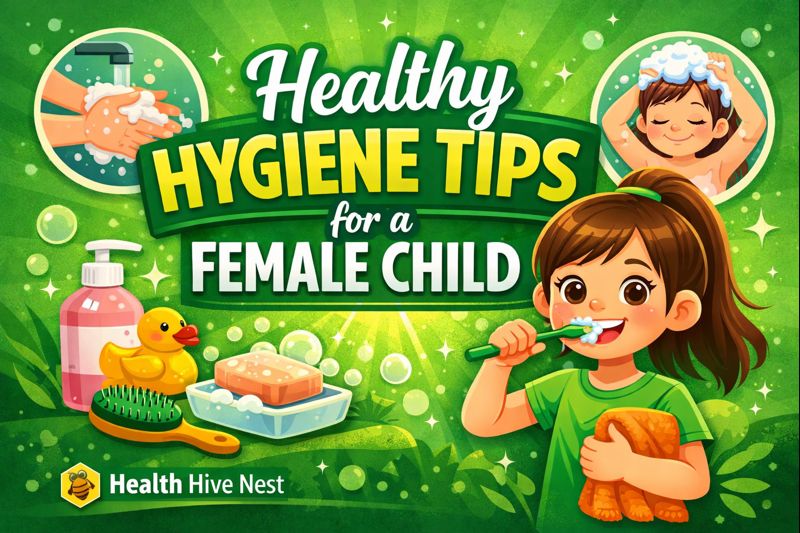
Healthy hygiene tips for a female child are essential because good hygiene supports a child’s overall well-being and helps build confidence from an early age. When hygiene is taught early, it helps children prevent infections and enables them to take care of themselves even in the absence of adults, parents, or direct guidance.
Healthy-Hygiene-Tips-for-a-Female-Child
This early exposure to hygiene also helps establish lifelong habits. It installs healthy practices that stay with children as they grow and gradually become independent, making hygiene a natural part of their daily routine rather than a forced activity.
For female children especially, proper hygiene supports gender-specific care and skin sensitivity. These are children who will grow up to become women who care deeply for their families and understand the importance of cleanliness and personal care.
In many homes, women are the pillars of hygiene and cleanliness. They help maintain the household, guide children, and set standards for healthy living, making early hygiene education an important foundation for this responsibility.
In this article, we will be sharing practical tips, real-life examples, and clear daily routines that parents can follow to better improve hygiene practices for female children in every society.
Stay till the end of this post so you feel empowered to help your daughter maintain excellent hygiene in a way that builds confidence and provides her with the health knowledge she needs to move forward successfully in life.
Medical Disclaimer:
This content is for informational purposes only and does not replace professional medical advice. Always consult a qualified healthcare provider.
1. Daily Bathing and Cleanliness
Daily bathing is crucial for all children, but girls often require special attention in areas that are prone to irritation or infections. Sweat and dirt can accumulate under arms, behind the ears, and in the genital area, which can lead to rashes or bacterial infections if not cleaned properly.
Practical Example
- Use mild, fragrance-free soap.
- Teach your daughter to wash her underarms, neck, hands, and feet thoroughly.
- For younger girls, a sponge bath may suffice until they are able to handle a shower or bath independently.
Gender Contrast
While boys also need daily bathing, they often experience less sensitivity in the genital area because of anatomy, meaning girls need gentler cleaning and a stronger focus on preventing urinary tract infections (UTIs).
Tip: Make bath time a positive experience with colorful towels, fun bath toys, and songs to encourage independence and routine.
2. Proper Genital Care
Genital hygiene is an area where girls need specific guidance to prevent infections. The goal is to keep the area clean without causing irritation.
Practical Example
- Clean with plain water or mild soap.
- Teach front-to-back wiping to prevent bacteria from entering the urinary tract.
- Avoid scented wipes or harsh soaps, which can disrupt natural pH and cause irritation.
Gender Contrast
For boys, washing is also essential, but care often focuses on the foreskin (if uncircumcised) and avoiding trapped debris. Girls, on the other hand, are more prone to UTIs, making proper cleaning habits vital.
Tip: Make it part of the morning or bedtime routine. You could even create a checklist for your daughter: wash hands → wash face → wash genital area → brush teeth.
3. Oral Hygiene
Oral health is foundational for a child’s overall wellness. It prevents cavities, gum disease, and supports proper speech and nutrition.
Practical Example
- Brush teeth twice daily with a child-friendly fluoride toothpaste.
- Introduce flossing once teeth touch each other.
- Make brushing fun with timers, songs, or colorful toothbrushes.
- Schedule regular dental checkups (every six months is recommended).
Gender Contrast
Oral care practices are generally the same for both genders, but studies show that girls are often more responsive to instruction-based routines, meaning parental guidance can be particularly effective in establishing long-term habits.
Tip: Reward consistent oral hygiene with small incentives like stickers or praise to build positive reinforcement.
4. Hand Hygiene
Handwashing is one of the most effective ways to prevent infection, particularly respiratory and gastrointestinal illnesses. Teaching girls to wash their hands properly ensures they stay healthy at school, during play, and at home.
Practical Example
- Wash hands before meals, after using the toilet, and after outdoor play.
- Use soap for at least 20 seconds—sing a short song to time it.
- Carry a child-friendly hand sanitizer for situations without access to water.
Gender Contrast
Boys often engage in rougher play outdoors, making handwashing equally important. Girls may touch their faces or hair more frequently, which increases the need for routine hand hygiene.
Tip: Create a handwashing chart to track your child’s hygiene and make it a fun learning activity.
5. Hair Care
Hair hygiene prevents scalp infections, lice, and tangles. Female children, especially those with longer hair, require more consistent hair care routines.
Practical Example
- Wash hair 2–3 times per week with a gentle, child-friendly shampoo.
- Brush hair daily to prevent tangles and knots.
- Tie hair up during outdoor play to reduce dirt accumulation.
- Check for lice regularly, especially during school seasons.
Gender Contrast
Boys with shorter hair may require less frequent washing and brushing. Girls’ hair often needs extra care due to length and texture, which can harbor more dirt or get tangled easily.
Tip: Make hair washing a bonding activity; let your daughter pick a favorite brush or hairband.
6. Nail Care
Nail hygiene reduces the risk of infections and prevents germs from entering the body. Children frequently touch their faces, food, and other surfaces, which can spread bacteria if nails are dirty.
Practical Example
- Trim fingernails and toenails weekly.
- Teach your daughter not to bite nails.
- Wash hands after outdoor play or handling pets.
Gender Contrast
While nail hygiene is important for all children, girls may also experiment with nail polish. Choose child-safe, non-toxic polish and ensure nails are clean underneath to prevent fungal infections.
Tip: Use colorful nail files or nail stickers to make nail care fun for your child.
7. Clothing and Laundry
Wearing clean, breathable clothing helps prevent skin irritation, rashes, and fungal infections.
Practical Example
- Change undergarments daily.
- Remove wet or sweaty clothing immediately.
- Wash clothes regularly with gentle detergent suitable for sensitive skin.
Gender Contrast
Boys and girls both require clean clothing, but girls’ undergarments and dresses may require additional attention to avoid chafing or moisture accumulation.
Tip: Teach your daughter to organize her clothes and pick clean sets each morning, building independence.
8. Menstrual Hygiene (For Older Girls)
When menstruation begins, proper hygiene is crucial to prevent infections and build confidence.
Practical Example
- Use pads, tampons, or menstrual cups as per comfort.
- Change pads or tampons every 3–4 hours.
- Wash hands before and after handling menstrual products.
- Track periods with a calendar or app to teach responsibility.
Gender Contrast
This is a female-specific hygiene area. Boys obviously don’t face menstrual hygiene needs, highlighting the importance of educating girls early about their changing bodies.
Tip: Normalize conversations around menstruation to reduce stigma and encourage openness.
9. Recommended Hygiene Tools & Products (Affiliate)
This post may contain affiliate links. We may earn a small commission at no extra cost to you.
- Mild hypoallergenic soaps – prevents irritation
- Child-friendly toothbrushes & fluoride toothpaste – supports dental health
- Gentle shampoos – prevents scalp infections
- Hand sanitizer – portable hygiene
- Nail care kits for kids – promotes healthy nails
Always recommend safe, legal, and age-appropriate products.
10. Encourage Responsible Action
Empowering your child to take responsibility for hygiene builds independence and confidence.
Practical Example
- Encourage your daughter to follow daily routines independently.
- Teach her to notice when hands or body are dirty and clean them proactively.
- Explain why each hygiene habit is important for health.
Remember: Talk to your doctor, consult a healthcare professional, and understand that this guide supports healthy habits, not medical treatment.
FAQs
Q1: How often should a female child bathe?
Daily, focusing on areas prone to sweat and dirt.
Q2: What products are safe for sensitive skin?
Use fragrance-free, hypoallergenic soaps and shampoos.
Q3: How do I teach good hygiene without nagging?
Make routines fun, use charts, and give praise for independence.
Medical Disclaimer:
This content is for informational purposes only and is not medical advice. Always consult a qualified healthcare provider.